Bronx Post Newsroom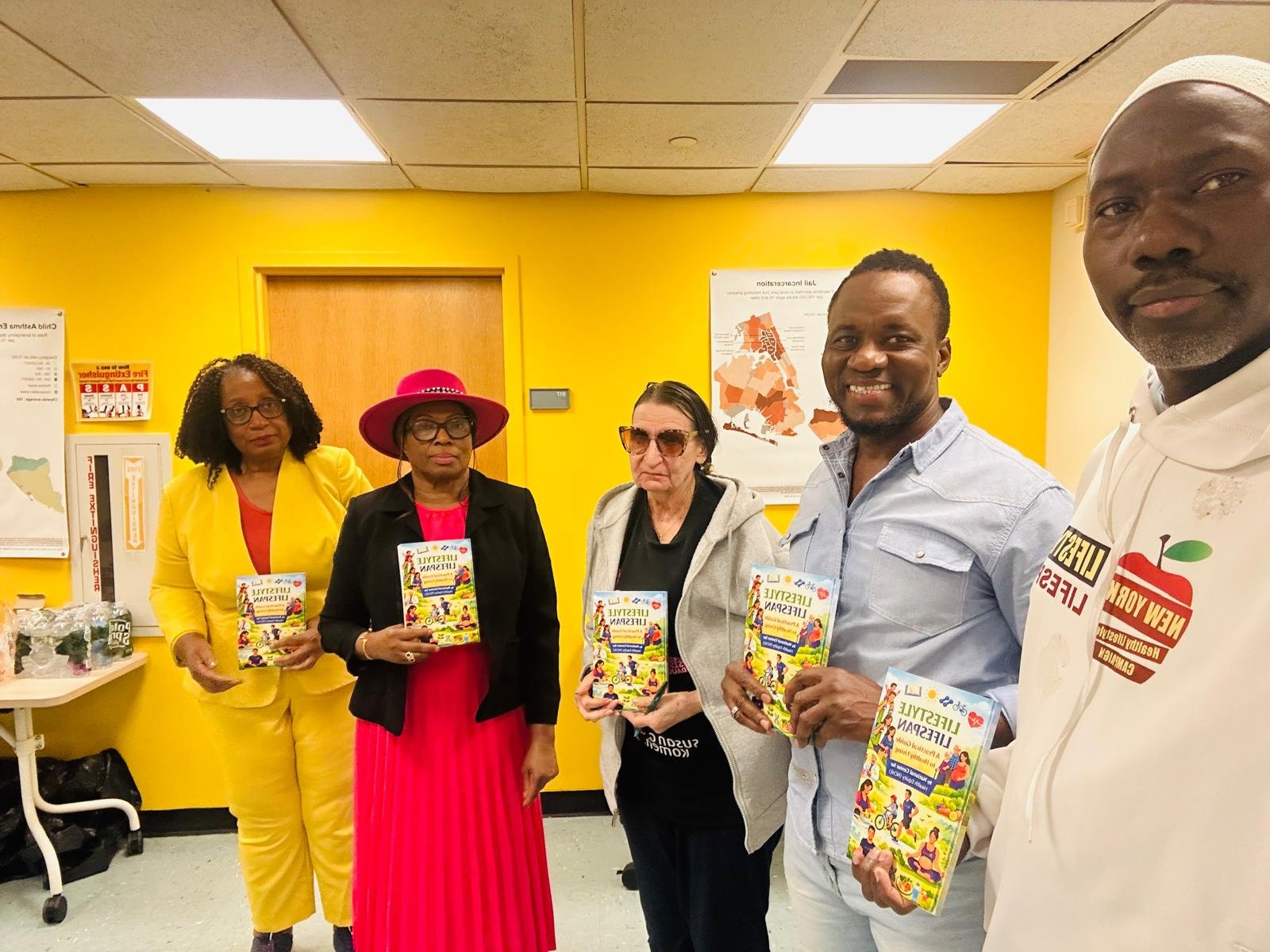
National Center for Health Equity (NCHE) has launched a new book, Lifestyle Lifespan: A Practical Guide to Healthy Living, at an event held at the Center for Health Equity and Community Wellness, 1826 Arthur Avenue in the Bronx. The launch took place on April 29, 2026, in partnership with the New York Healthy Lifestyle Campaign and #Not62: The Campaign for a Healthy Bronx.
According to NCHE, the book is designed as an accessible, community-centered guide to healthier living, with a focus on helping individuals and families make informed decisions about nutrition, physical activity, mental wellness, and preventive care. The organization said the guide is especially intended to support underserved and vulnerable communities facing disproportionate health burdens.
The Bronx was presented as a meaningful setting for the launch. NCHE linked the event to the broader goals of the #Not62 campaign, which seeks to confront long-standing health disparities in the borough and promote healthier outcomes through education, prevention, and community action.
In the release, Sheikh Musa Drammeh, Chairman and Co-Founder of NCHE, described the publication as both practical and urgent. He said, “This book is more than a guide — it is a declaration that health equity is a right, not a privilege.” He added that “Lifestyle Lifespan is our answer to that inequity: a practical, community-centered tool that puts the power of healthy living directly into the hands of the people who need it most.”
The event also drew support from community leaders and health advocates. In an exclusive comment following the launch, Dr. Gloria Bent, a registered dietitian nutritionist and one of the attendees, strongly endorsed the book’s practical value.
“As a Registered Dietitian Nutritionist, I highly recommend the Lifestyle book as a valuable resource for community growth and development initiatives. The information provided by Bentonwellness is excellent, particularly in its contribution to ongoing medical nutrition therapy aimed at preventing chronic diseases such as obesity, diabetes, and hypertension.”

That endorsement added a clinical and community-health perspective to the launch, reinforcing the book’s relevance not only as an educational resource, but also as a practical tool in the fight against chronic disease.
NCHE said the event brought together community leaders, health practitioners, advocates, and residents, who received copies of the guide and discussed how it could be used to improve health outcomes in the Bronx and beyond. The organization also said the book is now available through NCHE, with schools, clinics, public institutions, and community organizations invited to explore partnerships and bulk distribution.
For the Bronx, the significance of the launch goes beyond a single publication. It reflects a growing recognition that better health outcomes depend not only on treatment, but also on practical health education, prevention, and community-level empowerment. In boroughs where chronic illness and health inequity remain major concerns, tools that help people translate knowledge into daily habit can have lasting value.