Bronx Post Newsroom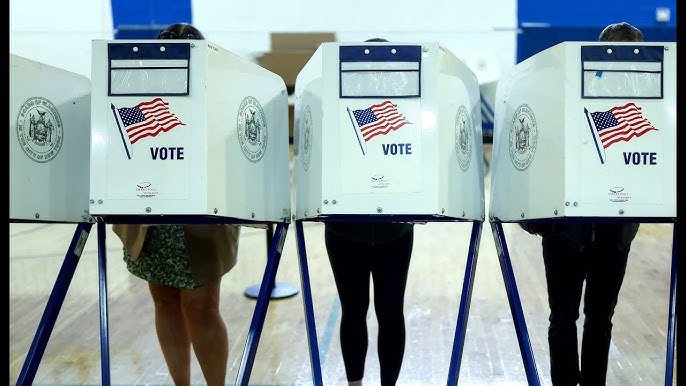
By Mutiu Olawuyi
A legal fight over the future of New York City’s election system has moved into court after members of the New York City Charter Revision Commission and several civic leaders filed an Article 78 proceeding challenging actions they say could prevent voters from deciding on a proposed ballot measure in the November 2026 General Election.
According to a three-page Order to Show Cause filed with the Richmond County Clerk on June 30, 2026, the petitioners include the New York City Charter Revision Commission, Denis M. Hughes, Ismael Claudio, Betsy Gotbaum, Tashyra Ayers, Peter Koo, Kayla Mamelak Altus, Gilford Monroe, Sheikh Musa Drammeh, Menashe Shapiro, Jackie Rowe Adams, David Paterson, Vito Fossella, and Vickie Paladino.
The respondents listed in the case include the State of New York, the City of New York, Gov. Kathy Hochul, Mayor Zohran Mamdani, New York City Clerk Michael McSweeney, and the New York City Board of Elections.
The case, filed under Index No. 85179/2026, asks the court to review actions affecting the Commission’s ability to place a proposed open primaries/nonpartisan local elections City Charter amendment before voters.
At the center of the dispute is what the petitioners describe as the “Nullification Provision,” identified in the order as part of Chapter 55 of the Laws of 2026, under Part OO of the Public Protection and General Government Article VII. The petitioners seek a declaration that the provision is unconstitutional and illegal under the New York Constitution and the Fourteenth Amendment of the U.S. Constitution.

The petitioners also ask the court to annul and vacate Mayor Mamdani’s reported action to disband or dissolve the Charter Revision Commission, arguing that such action was “arbitrary, capricious,” an abuse of discretion, and beyond his lawful authority.
The court filing further seeks to prohibit the mayor from interfering with the Commission’s activities, including its effort to place the ballot proposal before voters in November. It also asks the court to compel City Clerk Michael McSweeney to certify and transmit the proposal and related materials to the New York City Board of Elections by August 3, 2026, and to compel the Board of Elections to accept, process and place the proposal on the ballot.
The matter is scheduled to be heard in person before the Supreme Court of the State of New York, County of Richmond, at the courthouse located at 26 Central Avenue, Staten Island, on July 16, 2026, according to the order signed by Justice Ralph J. Porzio.
The order also sets deadlines for the legal process. Respondents’ answering papers are due by July 9, 2026, while any reply papers are due by July 15, 2026.
For Bronx voters, the case matters because the underlying question is not only legal but democratic: who gets to decide whether New York City should change how local elections are conducted?
Supporters of open primaries and nonpartisan local elections often argue that the current party-primary system limits participation, especially for unaffiliated voters and residents who feel disconnected from party structures. Critics, however, may argue that party primaries preserve political identity, accountability and organizing power, especially in communities where parties remain central to civic mobilization.
That debate should be handled openly, clearly and with respect for voters. The court will decide the legal questions, but the public conversation should focus on democratic access, transparency and the right of New Yorkers to understand what is at stake.
The presence of civic figures such as Sheikh Musa Drammeh, a Bronx-based community leader and co-founder of New York Political Coalition and United Centrists of America, among the petitioners also gives the case local relevance. His inclusion reflects the concern of some community leaders that election reform debates should not be confined to political insiders, but should involve residents, immigrants, working families, independents, party members and civic organizations across the city.
The legal claims remain allegations until the court rules. The respondents will have an opportunity to answer, and the court will determine whether the challenged actions and state law provision can stand.
The broader lesson is clear: when election rules are being changed, blocked or contested, the process must be transparent. New Yorkers deserve clarity, not confusion; lawful procedure, not political maneuvering; and a fair opportunity to decide major questions about their city’s democracy.
As the July hearing approaches, Bronx residents and all New Yorkers should watch closely. The outcome could determine whether a major proposed change to local elections reaches the November ballot — and whether voters themselves will have the final say.