Sheikh Musa Drammeh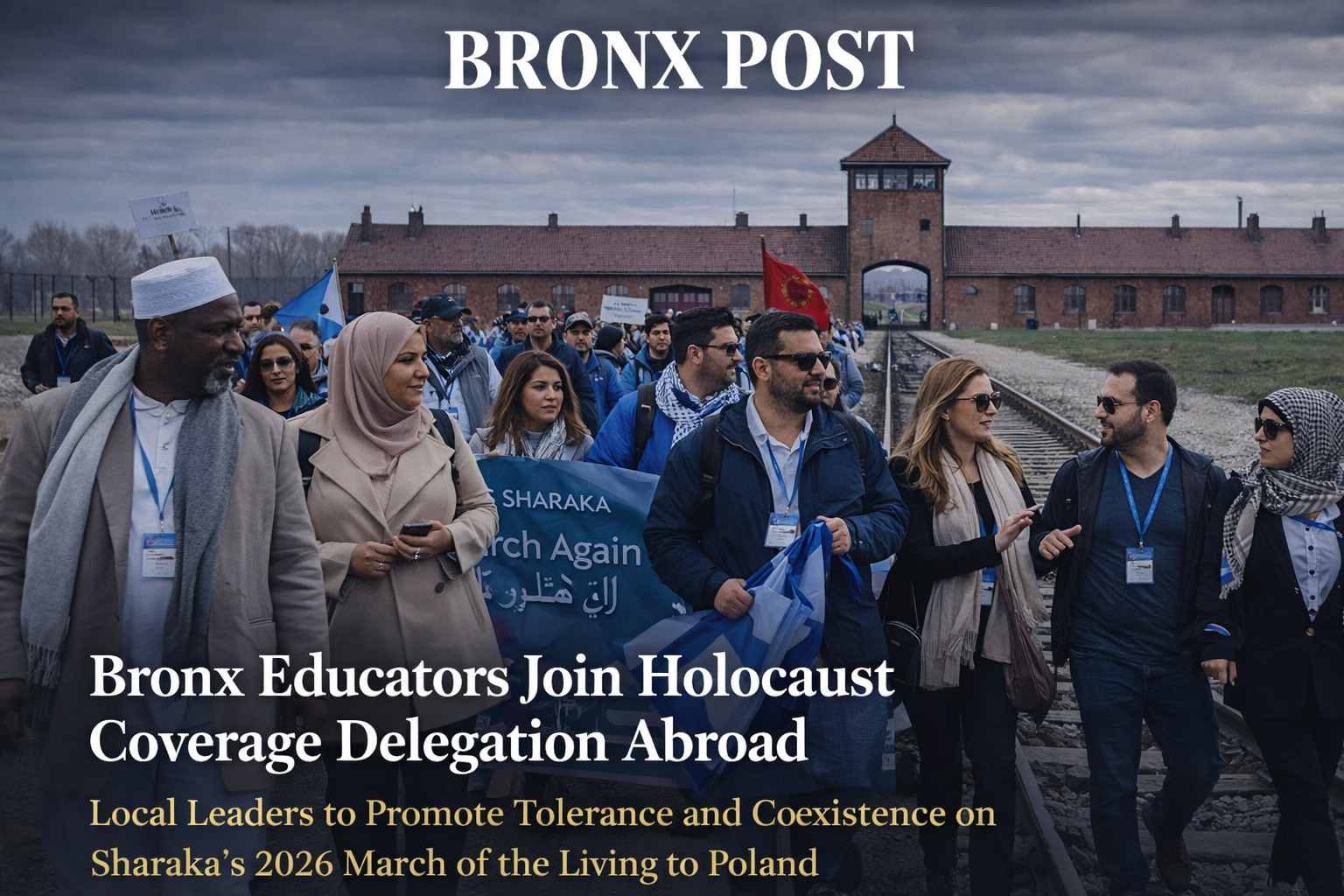
The trip reflects a broader effort to connect historical memory with coexistence, civic responsibility and youth leadership in New York communities.
Two New York-based community figures with longstanding ties to education and interfaith engagement are among the participants in Sharaka’s 2026 March of the Living Delegation, an international Holocaust remembrance and educational initiative scheduled to take place in Poland this April.
According to the organizer, the delegation will bring together educators, journalists, faith leaders and civic voices for a multi-day experience centered on Holocaust history, dialogue, and peacebuilding. Participants are expected to visit Kraków, Auschwitz, Auschwitz-Birkenau, and Plaszow, while also taking part in reflection sessions and conversations aimed at promoting tolerance, remembrance and coexistence.
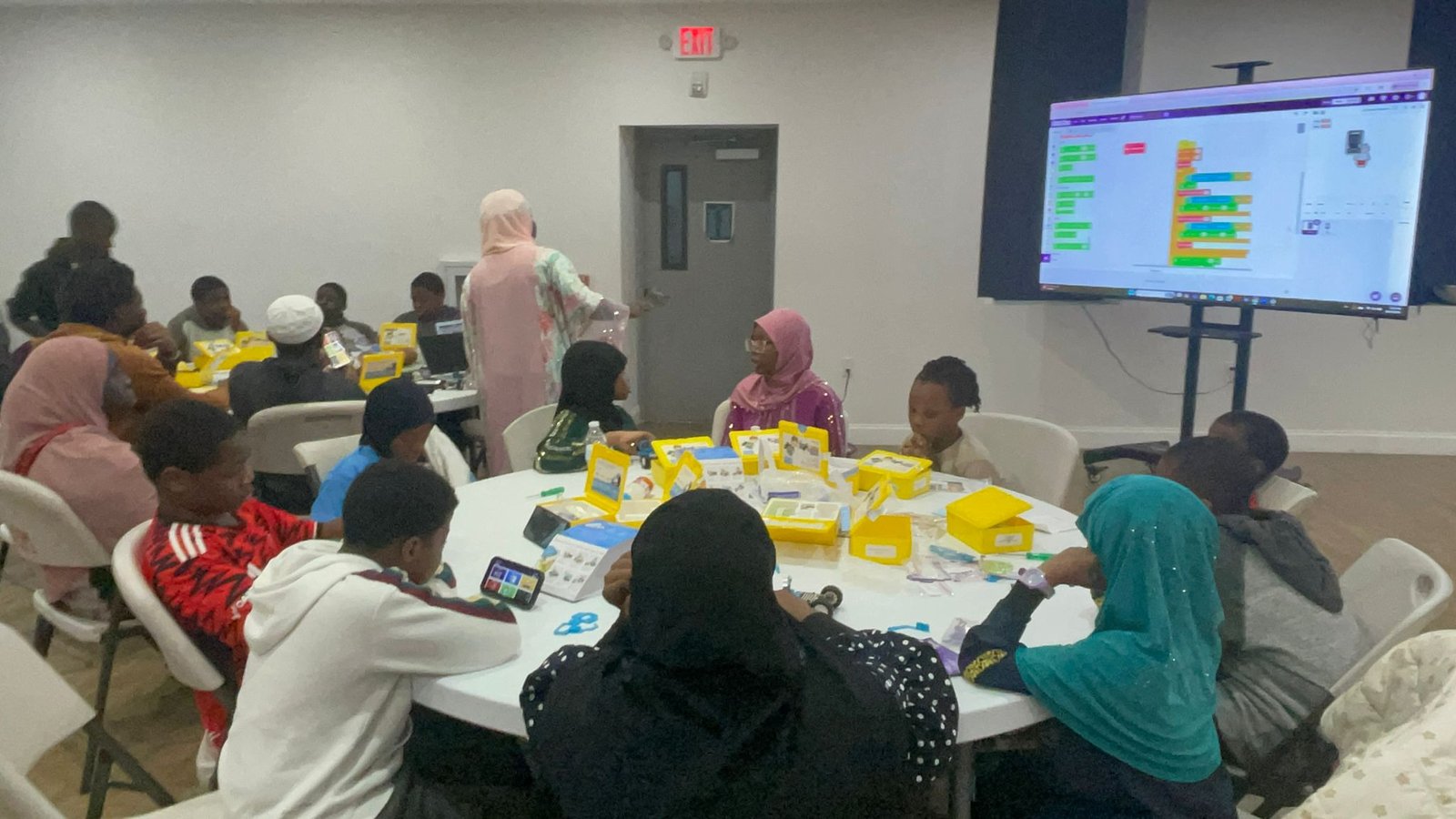
Among those listed in the delegation are Sheikh Musa Drammeh and Shireena Drammeh, both of whom have built reputations in New York through interfaith, educational and community-centered work. The organizer describes Sheikh Musa Drammeh as a leader whose work bridges faith, media and social action, and identifies Shireena Drammeh as an educator and community builder who has spent more than twenty years helping shape young people through her work at the Islamic Leadership School in the Bronx.
The program is organized by Sharaka, which describes itself as an initiative focused on people-to-people diplomacy in the Middle East, and is being carried out in partnership with the Claims Conference, a major organization involved in Holocaust remembrance and restitution efforts. The brochure states that participants are encouraged not only to engage with Holocaust history, but also to share what they learn with wider audiences through media and public storytelling.
For Bronx communities, where diversity is one of the borough’s defining strengths, the significance of such participation extends beyond symbolic representation. The trip highlights a growing recognition that historical education—particularly around genocide, exclusion, and dehumanization—can play a practical role in strengthening civic empathy and interfaith trust at the neighborhood level.
In a borough where schools, houses of worship, community groups and immigrant communities often intersect, leaders who can translate difficult history into everyday peacebuilding carry a meaningful responsibility. The delegation offers one example of how local voices can engage global memory in ways that may ultimately benefit community life back home.