Bronx Post Newsroom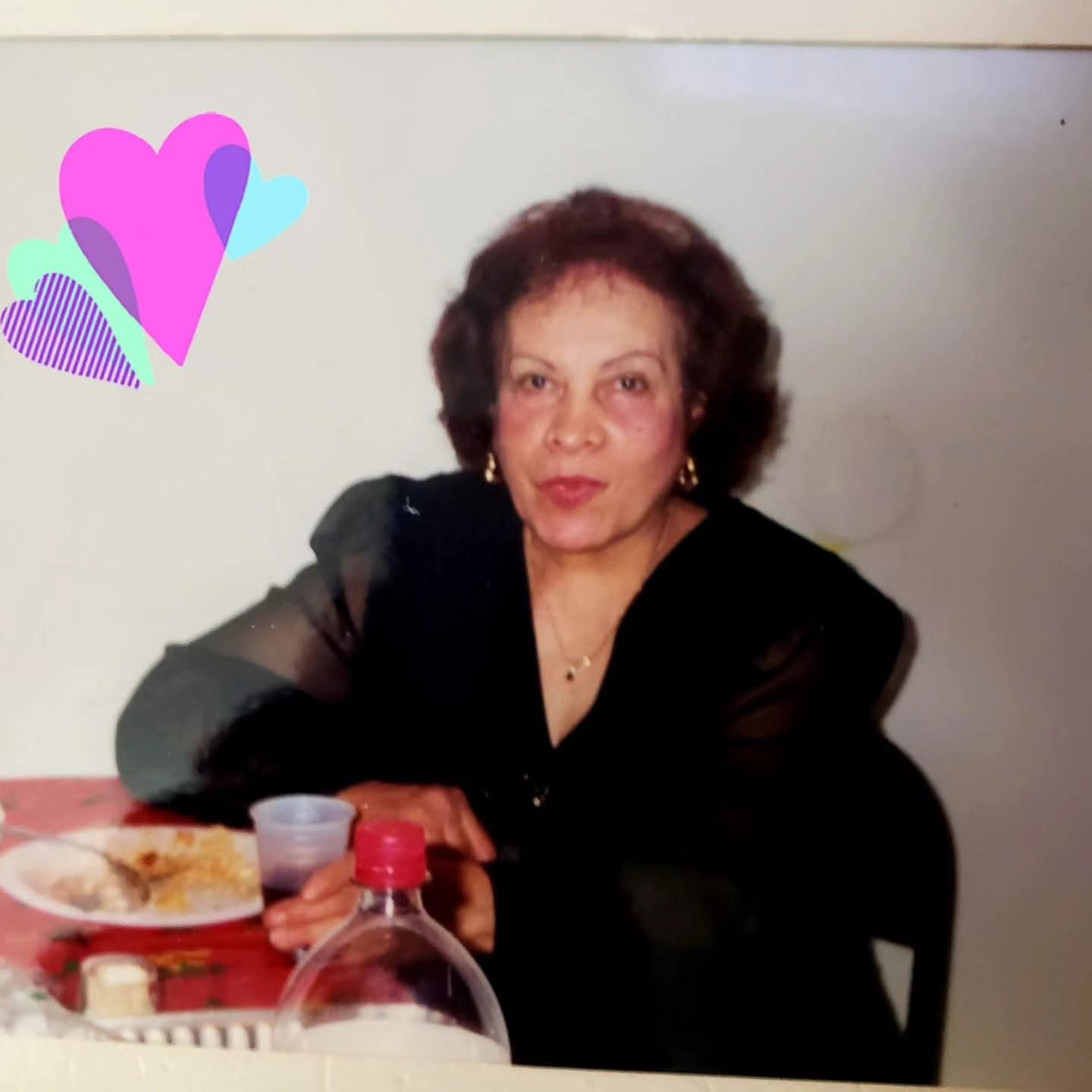
By Lawrence Seiler
Bronx Post / Parkchester Times | Abled and On Air
Edited by Mutiu Olawuyi
Several years ago, I met a woman named Lucy.
At the time, I did not know that meeting her would become one of those quiet turning points in life — the kind that does not arrive with noise or ceremony, but with a plate of food, a chair at the table, and a heart big enough to make a stranger feel like family.
Through Lucy, I also became close to her son, Luis, and the entire Torres family. They did not ask me to explain all my personal challenges. They did not make my family issues a condition for kindness. They simply received me as one of their own.

They did not even mind that my Spanish was terrible. In Lucy’s home, language was never the real test. Love was. Presence was. Respect was. And, of course, whether you were willing to eat.
From ropa vieja to chicken and rice, Lucy fed me like a mother feeds someone she has already claimed. I was invited to sit, eat, laugh, and even watch Spanish soap operas and game shows with her, though I hardly understood a word. But I understood enough. I understood warmth. I understood welcome. I understood what it means to be seen beyond your limitations.
Lucy had that kind of spirit.
She did not only offer food. She offered emotional shelter. She had a motherly strength that made people feel safe, valued, and less alone. In a world where many people are too busy to notice pain, Lucy noticed people. In a society where too many look away from disability, struggle, and loneliness, Lucy looked closer.
That is what made her special.
Lucy extended that same love to residents of local group homes. She did not reduce them to their disabilities. She did not treat them as burdens, problems, or charity cases. She saw their humanity first. She loved them without making them prove they deserved it.
That kind of love is rare, but it is also the kind of love our communities desperately need.
We live in a time when many families caring for people with disabilities are exhausted, under-supported, and afraid of losing essential services. Parents, siblings, spouses, and caregivers often carry responsibilities that the public does not see. They fight paperwork, waiting lists, insurance confusion, staffing shortages, transportation barriers, and the emotional weight of wondering what will happen to their loved ones when they are no longer able to provide care.
This is the hard truth: love is powerful, but love alone is not a service system.

Families need support. People with disabilities need dignity, resources, access, respite care, and community. Caregivers need relief before burnout breaks them. And America must stop pretending that families can carry everything alone while services are cut, delayed, or made too difficult to access.
That is why Lucy’s legacy matters.
Even after her passing, her family has continued her work of love. Her son Luis, her daughter Terry, and now her granddaughter Sophie Placido are carrying forward something larger than memory. They are turning family love into community action.
This week, Sophie appeared on Abled and On Air and introduced viewers to Lucy’s Circle, a newly founded organization inspired by her grandmother’s spirit.

Lucy’s Circle is dedicated to providing resources and services for individuals with special needs and their families, including support such as in-home respite care. That mission speaks directly to one of the most urgent needs in disability care: helping families breathe while making sure their loved ones are cared for with dignity.
During her appearance, Sophie also addressed common misconceptions about people with disabilities. Too often, society sees disability before it sees personhood. Too often, policies discuss costs before they discuss lives. Too often, services for people with disabilities are treated as optional, when in reality they are lifelines.
Sophie made it clear that vital services in America must not be cut. These supports are not luxuries. They are the difference between isolation and inclusion, crisis and stability, exhaustion and relief.
Lucy understood this long before it became an organization. She practiced it at her table. She practiced it with group home residents. She practiced it by welcoming people who needed kindness without making them feel small for needing it.
That is the legacy Lucy’s Circle now carries.
A true legacy is not only what we remember about a person after they are gone. A true legacy is what we continue because they lived. Lucy’s legacy continues whenever a person with special needs is treated with dignity. It continues whenever a caregiver receives help before reaching the breaking point. It continues whenever a family chooses service instead of silence.
I have known many people in my life, but few have embodied love the way Lucy did. She reminded me that family is not always defined only by blood. Sometimes family is defined by who feeds you, who welcomes you, who sees you, and who stands with you when life is heavy.
Lucy’s Circle is more than an organization. It is a promise that her love did not end with her passing. It is a promise that her family will keep widening the circle for people with disabilities, caregivers, and families who need support.
In the Bronx and beyond, we need more circles like Lucy’s.
We need more families turning grief into service. We need more organizations built from lived experience. We need more public policies that protect disability services instead of threatening them. We need more communities that understand that every person, regardless of ability, deserves care, belonging, and respect.
Lucy’s life gave people a seat at the table.
Now Lucy’s Circle is working to make sure more people have support in the world.
That is a legacy worth honoring. That is a mission worth continuing.
For more information about Lucy’s Circle, contact Sophie Placido at splacido@lucyscircle.org.
For more conversations on disability, caregiving, advocacy, and community support, watch Abled and On Air on Parrot TV.