Bronx Post Reporter 1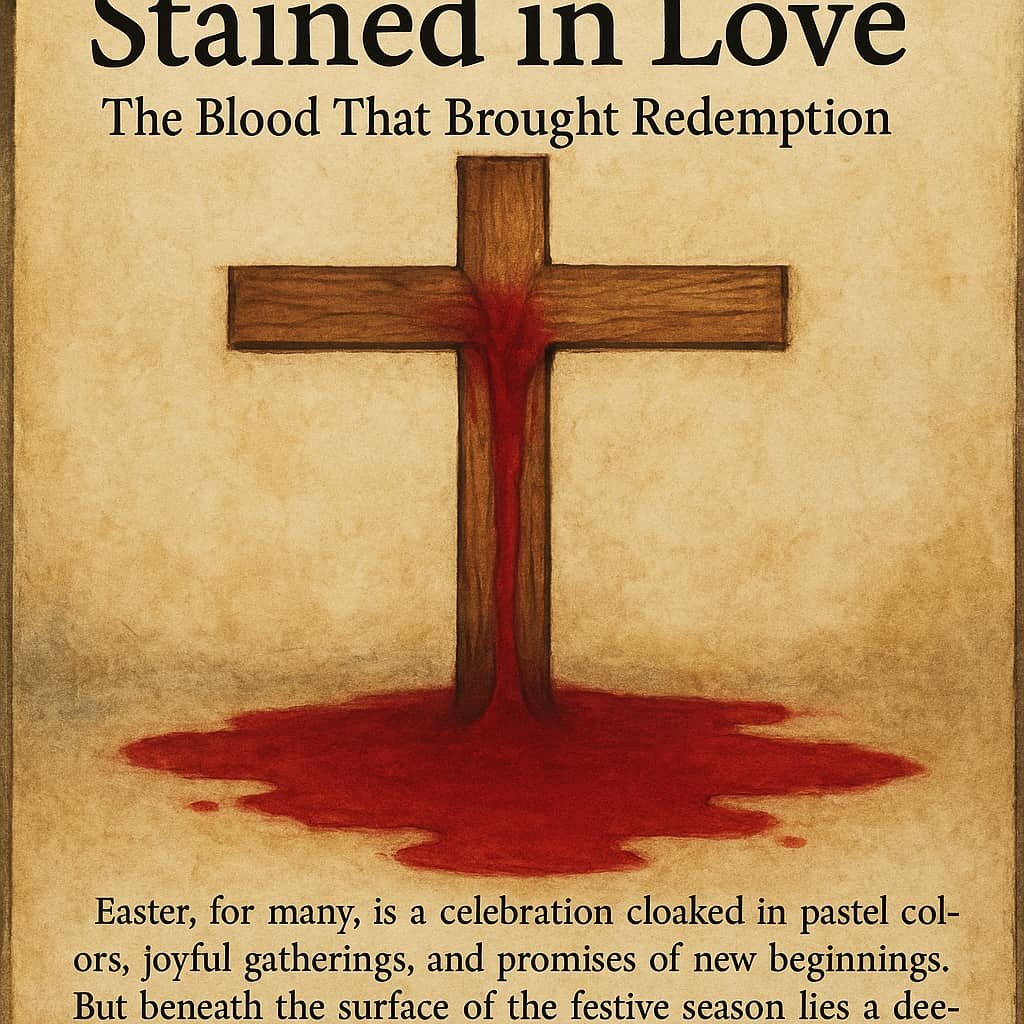
Easter, for many, is a celebration cloaked in pastel colors, joyful gatherings, and promises of new beginnings. But beneath the surface of the festive season lies a deeper, more solemn truth—one that is both beautiful and haunting: the shedding of blood as the ultimate act of love.
The crucifixion of Jesus Christ, remembered on Good Friday, is a moment of profound sorrow in the Christian faith. It is a day marked by betrayal, suffering, and death.
But it is also the cornerstone of Christian hope. At the center of this moment is blood—real, sacred, and redemptive. For Christians, this blood was not spilled in vain. It was poured out with purpose: to redeem humanity, to cleanse, and to restore.
Throughout the Bible, blood is more than a symbol of life—it is the price of reconciliation. In ancient times, the blood of sacrificial animals was required to atone for sin.
But those offerings were temporary, requiring repetition year after year.

Easter proclaims something radically different: that Jesus, the “Lamb of God,” offered himself once and for all. His blood, shed on the cross, was not merely a tragic consequence of injustice—it was the currency of salvation.
To be “stained in love” is to recognize the paradox of the cross: that something as brutal as crucifixion could become the most profound demonstration of divine affection. Jesus did not die as a martyr of circumstance, but as a willing redeemer. His blood marks the turning point between condemnation and grace.
In a world often numb to violence, it’s easy to overlook the weight of this sacrifice. Yet Easter calls us to remember—not just the resurrection that came after, but the suffering that came before. To celebrate Easter without contemplating the blood is to celebrate victory without acknowledging the battle.
This is not a message of guilt, but of gratitude. The blood that was shed speaks of a love so deep that it bore the weight of humanity’s worst, and responded not with wrath, but with forgiveness. It is a love that doesn’t avoid pain, but embraces it, so that others may be healed.
As we celebrate Easter, let us remember that we are not just invited to rejoice in an empty tomb, but also to stand in awe before a blood-stained cross.
For it was there—stained in love—that redemption was born, and hope was made eternal.


 Bronx Post Newsroom