Bronx Post Newsroom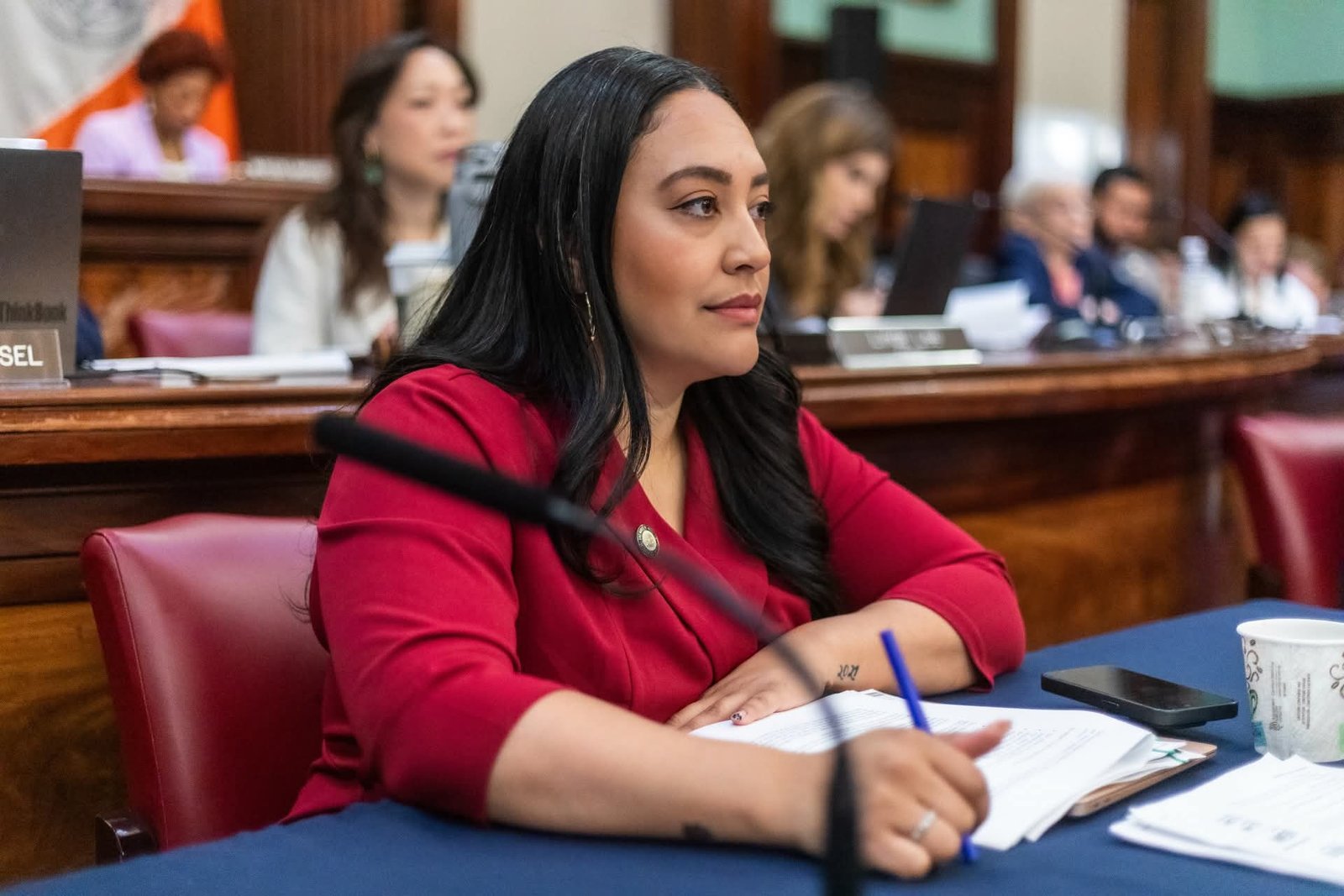
By Sheikh Musa Drammeh
Edited by: Mutiu Olawuyi
Council Member Amanda Farías urges New Yorkers to testify as city fiscal officials review the FY2027 Executive Budget and community priorities before final negotiations.
New York City’s FY2027 Executive Budget process has entered one of its final and most important public stages, as fiscal officials and city oversight agencies gathered Tuesday, June 9, 2026, for a major budget hearing.
The hearing brought together the Office of Management and Budget, the New York State Comptroller, the Department of Finance, and the Independent Budget Office as the City Council continues reviewing the administration’s spending plan.
For Council Member Amanda Farías, the moment represents more than a routine budget hearing. It is part of a months-long process in which city agencies, elected officials, fiscal monitors, advocates, and residents have weighed in on how New York City should spend public dollars.


“After months of hearing from agencies across the city, this moment matters,” Farías stated. “These are the conversations that help us look honestly at the city’s fiscal picture and continue pushing for a budget that is responsible, transparent, and grounded in the needs New Yorkers have raised throughout this process.”
The FY2027 Executive Budget will shape funding decisions affecting schools, housing, public safety, healthcare, sanitation, youth programs, libraries, parks, transportation, immigrant services, senior support, small businesses, and neighborhood infrastructure.
For Bronx residents, the public testimony stage is especially important. Communities across the borough continue to raise concerns about affordability, housing stability, public safety, workforce development, education, food insecurity, health access, and investments in young people.
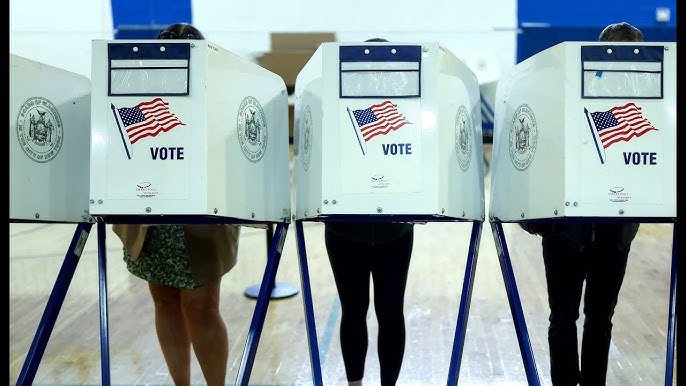
The City Council is scheduled to hear public testimony on the FY2027 Executive Budget on Wednesday at 9:30 a.m. New Yorkers who want to speak can sign up at council.nyc.gov/testify.
Farías encouraged residents to make sure their priorities are part of the final budget conversation before negotiations conclude.
Public testimony gives residents, nonprofits, workers, parents, tenants, students, and community leaders a formal opportunity to tell city officials what is working, what is missing, and what should be protected or expanded in the final budget.
The deeper issue is accountability. A city budget is not only a financial document; it is a moral and civic statement about whose needs are recognized and whose voices are heard. When residents participate, they help move the budget process beyond numbers and into lived realities.
As final negotiations continue, the challenge for city leaders is to balance fiscal discipline with urgent neighborhood needs. Responsible budgeting should not mean ignoring communities under pressure. At the same time, transparency requires honest discussion about revenue, spending priorities, long-term obligations, and measurable impact.
For the Bronx and other working-class communities, the final budget must answer a practical question: will public resources reach the neighborhoods where families are asking for relief, stability, safety, and opportunity?
The upcoming public testimony hearing gives New Yorkers one more chance to make that case directly.